
What the neighborhood buys
Look at quantities, not display. Daily food, soap, string, and mending supplies tell you more about a region than a tray arranged for photographs.
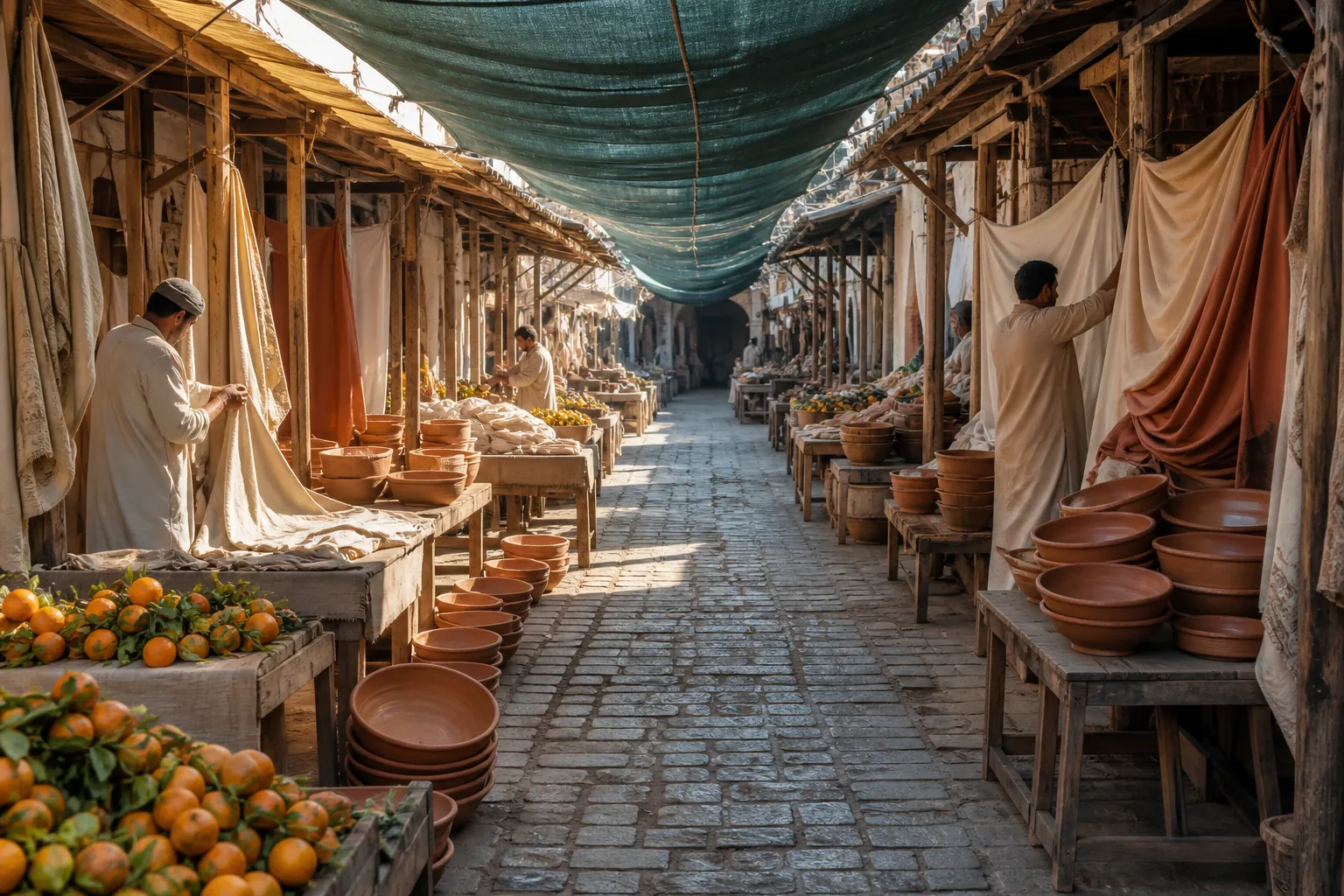
A market is the most honest room in a town. We show you how to read it, and how to leave with something that still makes sense once the trip is over.
isocheimic treats stall rows as a way to understand what a region grows, makes, and uses every day. We do not write shopping trophies. We brief travelers on the line between work made here and goods restocked for visitors, on what edible items survive a journey, and on how to pack a fragile find so it arrives whole.

Reading a place
A market day is useful even when your hands stay empty. Household rows show what people actually cook. Hardware and cloth rows show what is repaired rather than replaced. The way vendors speak to regulars is different from the voice used on visitors, and that difference is part of the information.
The same square often holds two markets at once. One is for the neighborhood. The other is a repeating set of printed scarves, miniature landmarks, and factory ceramics that appear, with small variations, in every visitor lane you have already walked. The skill is not avoiding the second lane. It is noticing when you have crossed into it.
Look at quantities, not display. Daily food, soap, string, and mending supplies tell you more about a region than a tray arranged for photographs.
Repeating labels, identical glaze faults, and goods still in transit packaging are quiet signs that a stall is restocking a circuit, not selling a workshop’s week.
From the notebooks
These numbers come from stall visits, packing briefings, and follow-up notes after travelers returned home. They are a record of practice, not a scoreboard.
When an object fails at home, the cause is usually the same short list: it was bought on a spike of feeling, it could not cross a control point, it was too fragile for the bag it was given, or it had no job waiting in the house. The figures above track how often we meet those four problems in conversation, not how often a purchase “succeeds.”
Before you pay
The quiet test is not “Will I remember the trip?” Memory does not need a souvenir. The useful question is whether the thing will be worn, poured from, cooked in, written with, or placed where guests actually sit.

Cloth with a real weave, a cup whose lip feels right, a tool you already know how to use. These tend to stay on a hook or a table. Novelty shapes and slogan objects tend to migrate to a drawer within a season.
Turn the piece over. Look at joins, glaze crazing, stitching, and smell. Ask what it is made from, whether it can get wet, and whether the stallholder made it, bought it from a neighbor workshop, or received it from a distributor. The answer is data, not a test of character.
A list of people to “bring something for” turns a market morning into a procurement run. We ask clients to name one person, one use, and a size limit before they walk in. If a gift has no use, a letter or a shared meal at home usually travels better than an object chosen in a hurry.
Stall to suitcase
Weight, wrapping, edible rules, and the tone of a bargain all belong to the same decision. Waiting until the last night, with the bag already full, is how good pieces get crushed or left behind.
Every purchase borrows from clothes, water, and the walk to the station. We sketch a simple volume budget before a market day: what can still fit, what must stay flexible, and which pocket is reserved for something fragile.
Soft wrap against the object, a rigid sleeve if you can find one, then an outer bag that does not collapse. Towels help. Loose stuffing in a corner of a suitcase does not. If you cannot describe the packing sequence, the piece is not ready to travel.
Dense, dry, sealed goods sometimes survive. Fresh cheese, wet sweets, and anything leaking oil often fail on the first warm day. Some edible items cannot cross a control point at all. Check the rule for the route before you bargain for a jar.
In some rows a back-and-forth is how a conversation starts. In others it reads as a slight. Watch the stall next door before you speak. If prices are posted and locals pay them without comment, begin there. A briefing can name the pattern; it cannot replace paying attention on the day.
Who walks the rows
Each briefing is prepared by people who still go to markets as part of every trip, then translate those visits into route-specific notes for clients.

Market Field Lead
Field Interview Credential, Atlas Fieldwork Circle
Helena maps household rows against visitor lanes and records how stalls change through a morning. Her notes are the spine of each briefing: what is grown nearby, what is made in the district, and where the repeating import trays begin.

Transit and Packing Advisor
Luggage Systems Diploma, North Harbor Packing Studio
Julian works on weight, break points, and the unglamorous sequence that gets a piece from stall to door. He is the person who will tell you a beautiful object is a poor traveler, and then explain how to pack the ones that are not.
Edible Goods Specialist
Cross-Border Food Rules Certificate, Harbor Customs Study Group
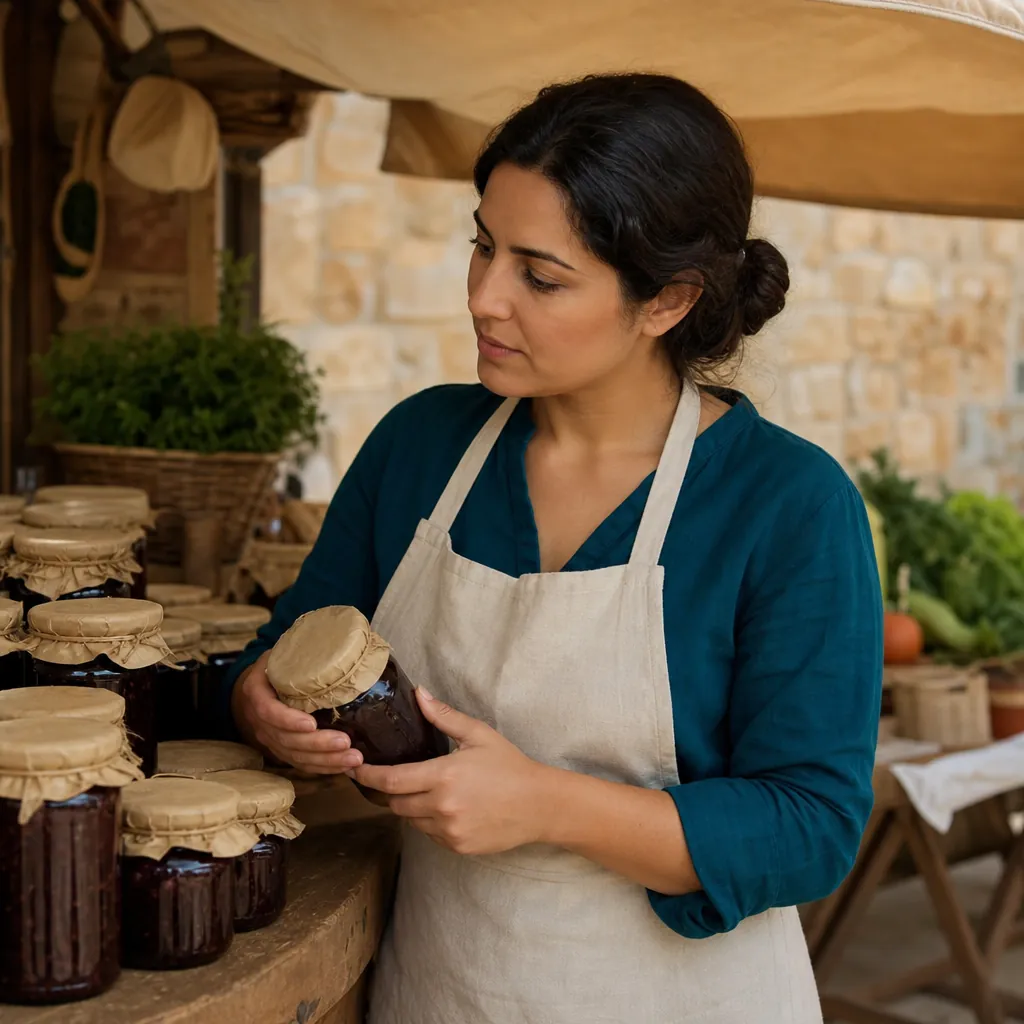
Sana separates what can sit in a bag from what spoils, leaks, or cannot pass a control point. She also watches gift food: the jar that seems generous at noon and becomes a problem at the evening check.
After the trip
These are accounts of specific choices, not general praise. Each person asked for help with the market stretch of a route and later told us what actually stayed in use.
Tell us where you will be walking, how much space remains in the bag, and whether food is even a candidate. We reply with a focused note: what to look at first, what to skip, and which questions to ask before you pay.
Contact Usisocheimic provides knowledge and consultations on travel markets and the objects people carry home. We are not a booking desk, a shop, or a delivery service. We help you see a stall clearly, then you decide what, if anything, is worth the weight.
How to read this site
isocheimic publishes field notes, packing guidance, and consultation summaries so travelers can prepare the market stretch of a journey with more care. The information on this site is educational and intended to introduce our approach. It is not a personal instruction for a named route, a guarantee that an object will arrive intact, or permission to carry a specific item across a control point.
Markets, opening hours, stall mix, and crossing rules change between visits. A note written after one trip can be stale on the next. Confirm hours, food restrictions, and packing limits with the relevant authorities and with people on the ground before you travel.
We recommend speaking with qualified specialists when a plan involves medical needs, legal limits on goods, or complex connections. Our team shares observational practice; we do not replace customs officers, carriers, or licensed advisers.
Any purchase, packing choice, or conversation at a stall is your own decision. isocheimic is not responsible for damaged goods, refused items, extra weight charges, or the way an object looks once it is in your house.
Place names in our materials are used as types of setting — a harbor market, a highland square, a covered arcade — rather than as a promise about a particular destination. Conditions on the day always take priority over a page you read at home.